Polycystic ovary syndrome (PCOS)

Also known as PCOS, it is an endocrine disorder that affects about 4-8% of women of reproductive age. 

What causes it?

It is characterised by a combination of several factors, including:
  • Lack of ovulation (egg release).
  • Obesity.
  • Hyperandrogenism (high levels of male hormones).
  • Insulin resistance, where the body does not use insulin effectively, leading to high blood insulin levels.

Symptoms

  • Irregular menstrual cycles or absent periods

  • Infertility or difficulty getting pregnant

  • Weight gain and difficulty losing weight

  • Acne and oily skin

  • Excessive hair growth on the face and body (hirsutism)

  • Hair loss on the scalp (alopecia)

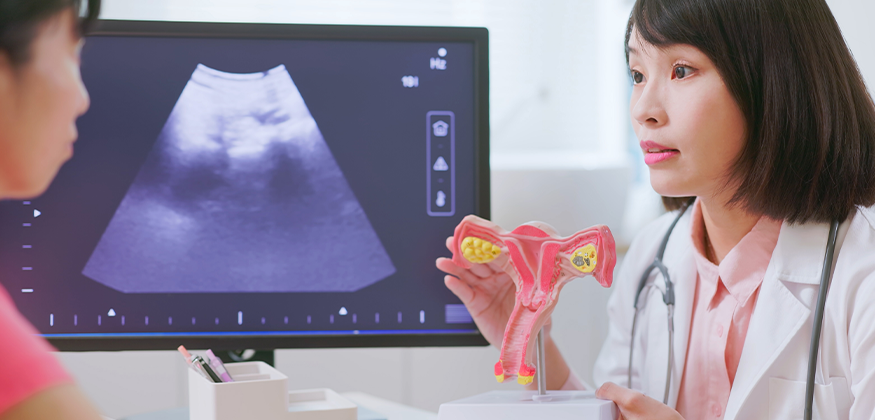
  • Formation of ovarian cysts visible on ultrasound


Treatment

  • Lifestyle changes:

    Balanced diet and regular exercise to manage weight and improve insulin resistance.
  • Medications:

    - Birth control pills to regulate menstrual cycles and reduce hyperandrogenism (excess male hormones).
    - Medication.
  • Fertility treatments:

    Assisted reproductive techniques, such as in vitro fertilisation (IVF), may be necessary if other treatments are not effective.

This site is registered on wpml.org as a development site. Switch to a production site key to remove this banner.